
The college admissions process is still human.
We help your student treat it that way.
Calmly. Confidently. Kindly.
Great-fit colleges aren’t found through resumes. They are found through real relationships. With family, with school counselors, with community, and at many schools, with the admissions officers reading your student’s file. At every school, we coach the skill, because the skill matters in life whether or not it moves a particular admissions decision.
Free consultation, no obligation, no pressure
Worst case, you leave a little calmer than when you came
The free guide to emailing admissions officers.
What to say, when to say it, and how to get a reply.
Kindness is the foundation of our practice
According to data from the NACAC (National Association for College Admission Counseling), the most important factor in admissions after grades and course rigor is character.
One of the key attributes of character is kindness—a trait viewed as essential among admissions professionals. Not only is kindness an important life skill on its own, it is becoming an “it factor” in the admissions world.
It is so important that Harvard University Graduate School of Education created the Making Caring Common Project, part of a broad movement toward prioritizing kindness and character in the admissions process.
”I’ve Always Seen Kindness as an Essential Ingredient.”
Our Promises to Your Family
We tell you what we know, what we’ve observed, and what we can’t know for sure. We won’t sell you certainty we don’t have.
We listen to your student first. Their voice leads the process.
We protect your relationship with your child. We absorb the friction so you don’t have to be the bad guy.
Your student does the relationship-building in their own voice. We will never send outreach on their behalf.
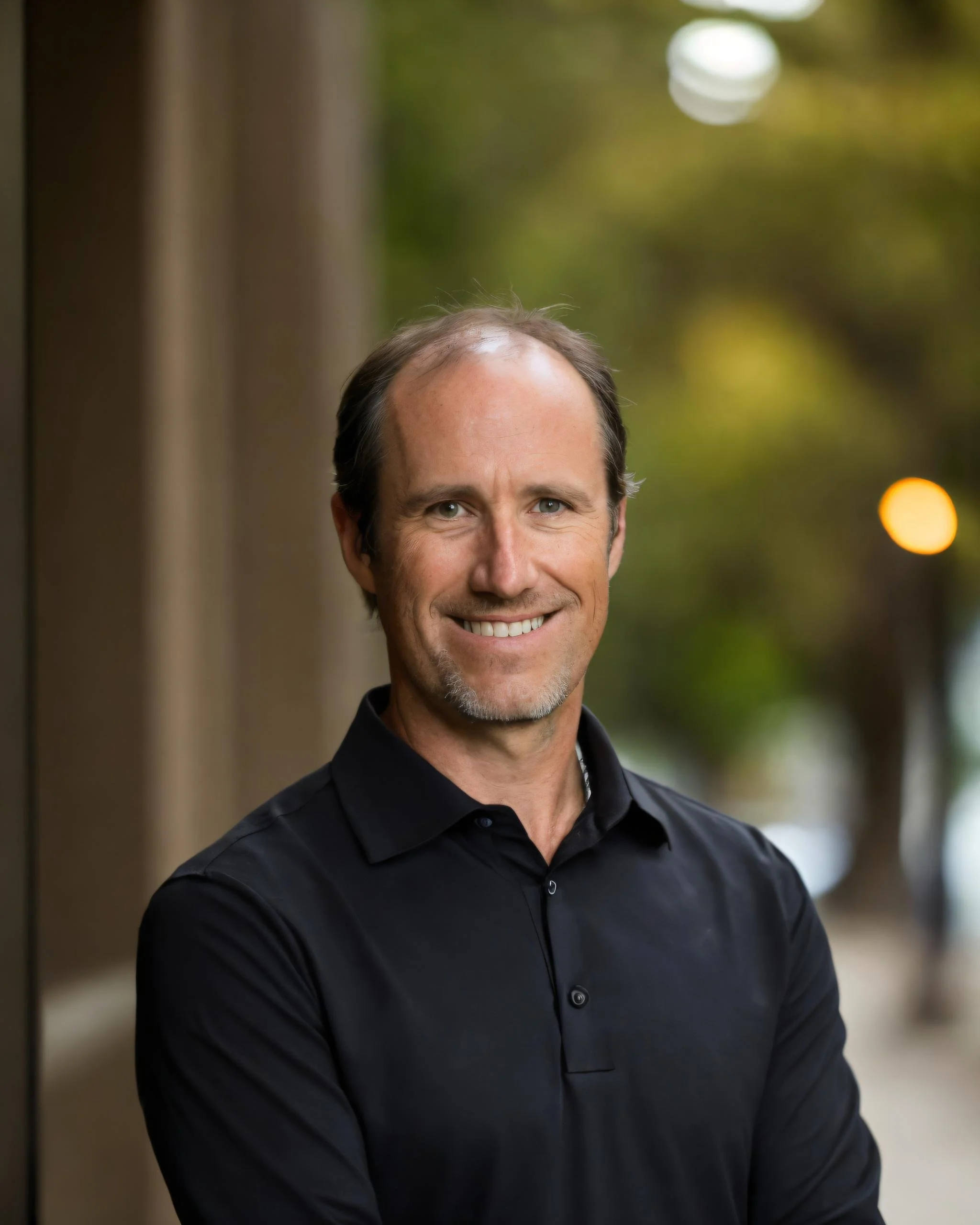
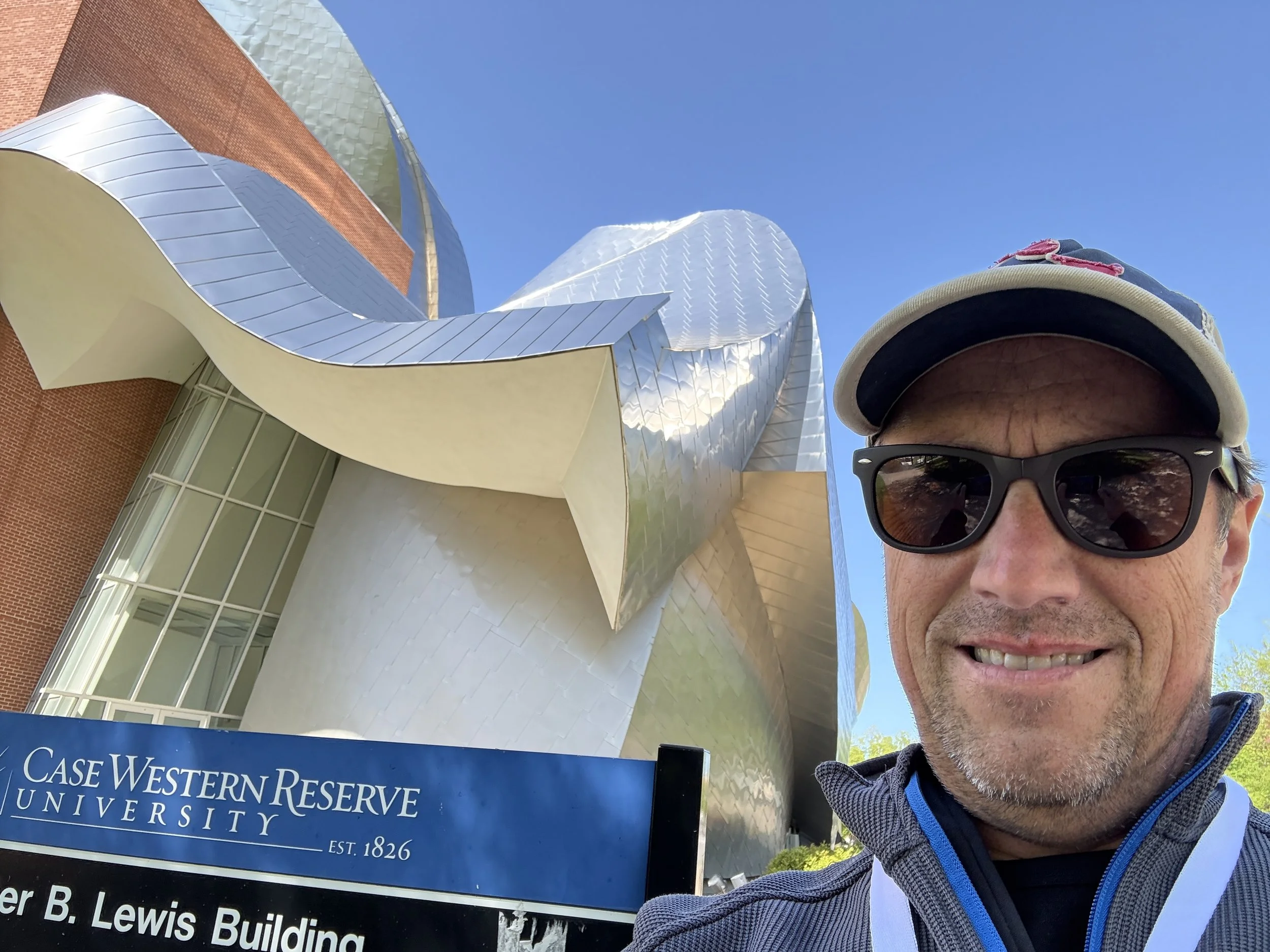
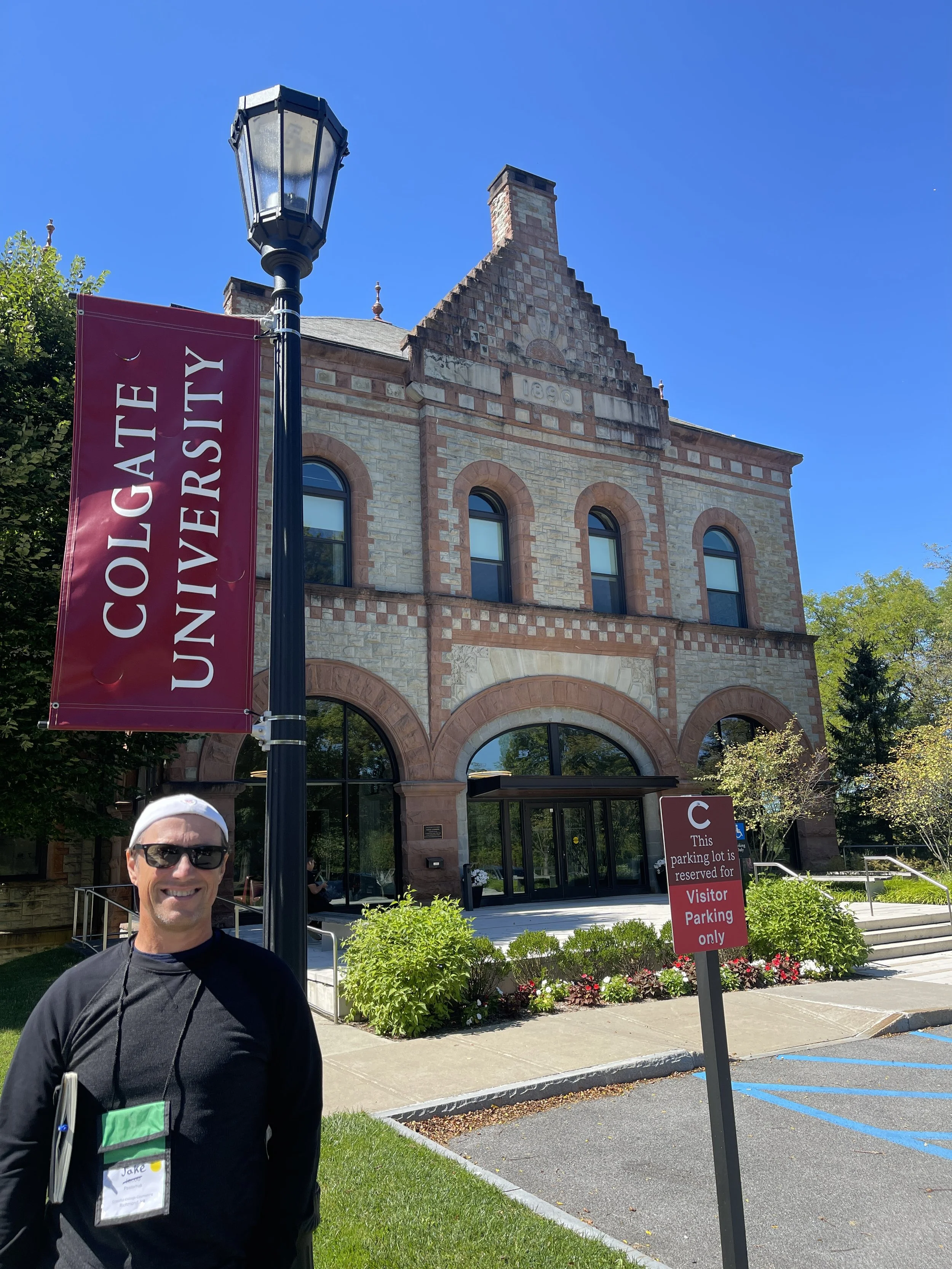
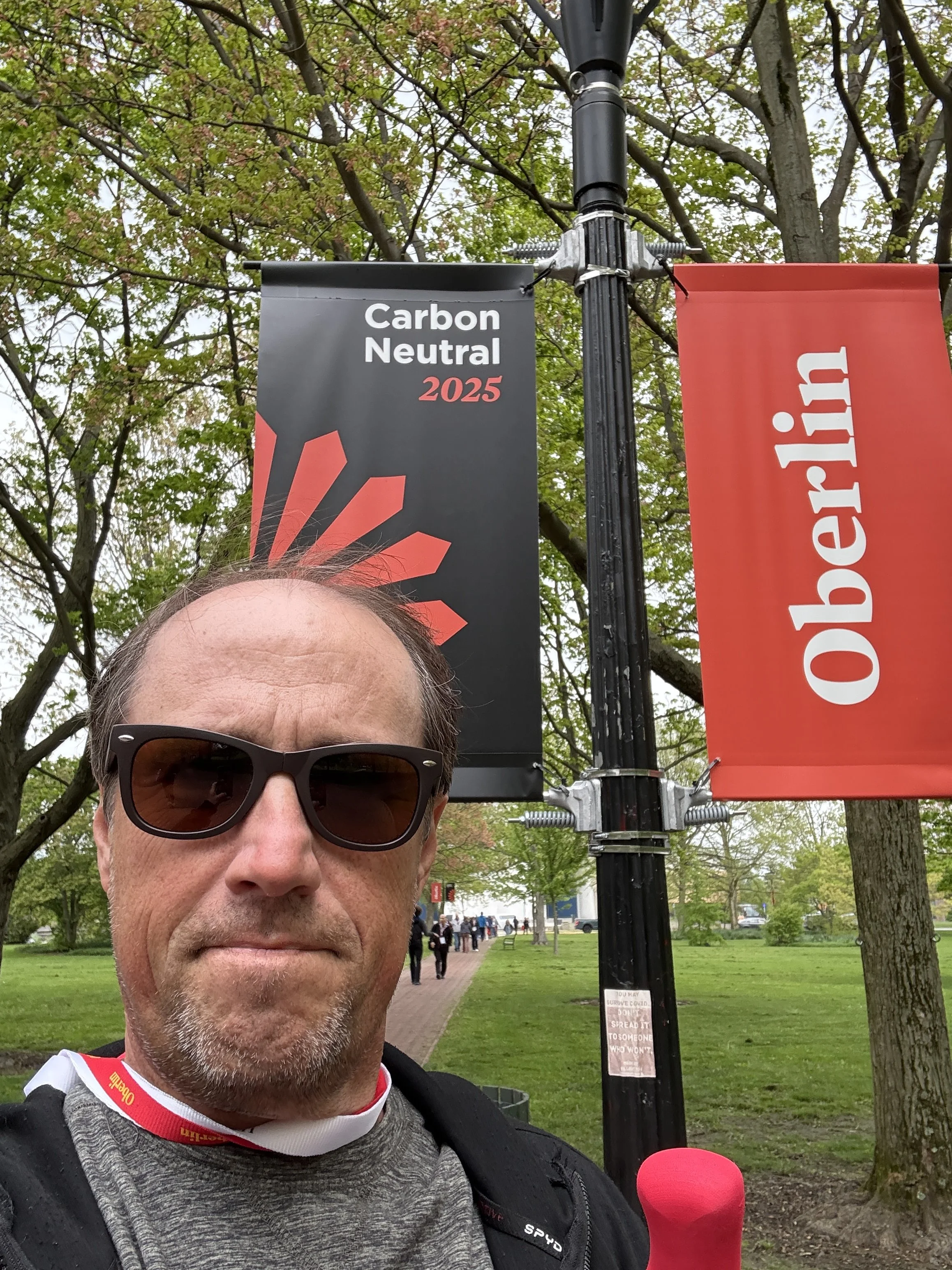
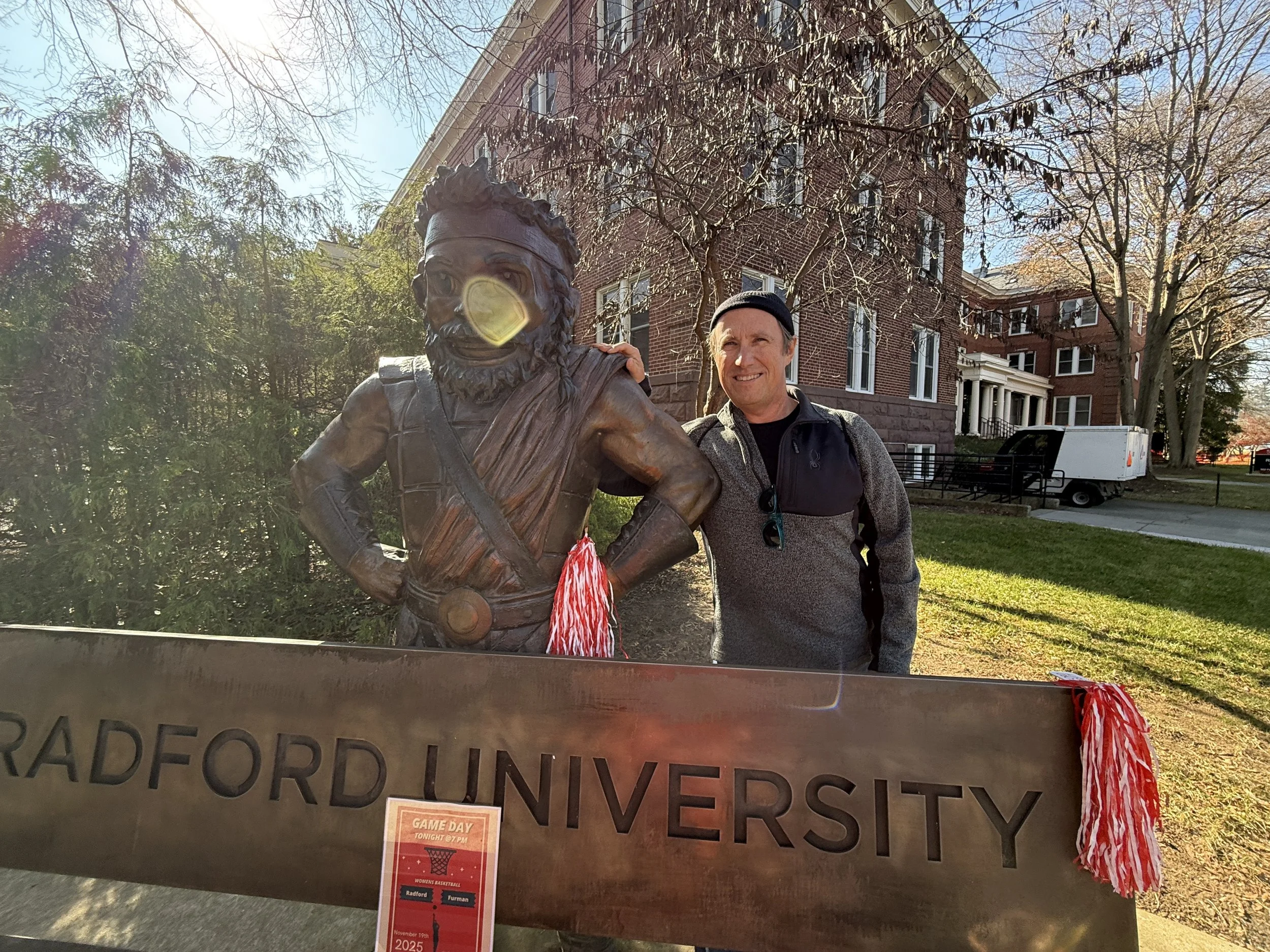
Why I started Grateful College Counseling:
I got into educational consulting because of my experiences with my own kids. My daughter went to a regional magnet school—they actually had a spreadsheet with past students’ grades, test scores, and college acceptances, so you could see exactly what worked. It made a big difference. My son, meanwhile, was at a big public high school where counselors were responsible for around 500 students each. It wasn’t anyone’s fault, but there just wasn’t enough time for the kind of individual support that matters. Plenty of our friends have seen the same thing. Too many students end up at colleges that don’t match their potential. That’s exactly what I want to change.
Testimonials